Do Not Talk to the Police, FBI, or Other Law Enforcement
It is not uncommon for police or other law enforcement to visit a suspect’s residence, sometimes with little more than a mere suspicion of wrongdoing.

Is it okay to talk to the police?
If the police want to talk to you, you are already in trouble, and anything you say can worsen things. While an arrest warrant is typically required in Michigan for the police to arrest someone in their home (unless there are “exigent circumstances” or some other recognized warrant exception), the police may attempt to lure a person out of the residence to make an arrest or to create an opportunity to ask questions. An aggressive defense lawyer can later challenge this type of police conduct, but it may lead the suspect to attempt to “talk” their way out of the arrest.
As bright as a person might be, even when innocent, the attempt to “talk” oneself out of suspicion always backfires. As we all know, people hear what they want to hear. Police want the suspect to be guilty and hear everything said with that bias. Even “I didn’t do it” sounds suspicious, argumentative, or defensive.
Most Suspects End up Being Witnesses Against Themselves if They Talk to the Police

Follow these rules if confronted at home by law enforcement:
- never talk to the police,
- never come out of your house to speak with the police, and
- see Rule #1 (never talk to the police).
If a law enforcement officer or agent arrests or detains you, ask to speak with a lawyer immediately. Unfortunately, way too many people ignore this advice, whether through foolishness or a mistaken belief that they can “talk” themselves out of an arrest. The best phrase you can use is:
“I demand a lawyer, and I invoke my right to remain silent under the 5th Amendment.”

Should I talk to the police if they pull me over?
If the police stop you while driving and arrest you, the rules are the same, with a few extra wrinkles. Again, while you must accurately identify yourself to law enforcement officers, you do not have to talk to the police about the reason for the stop, where you are going, or your “status” (unless you are on parole or probation). You do not have to say anything and probably should not. Most vehicle stops in Michigan are for minor traffic offenses, so it is best to accept the ticket without comment. When you hire an attorney to help you remove points or the ticket from your record, it is often most beneficial to assist those who are the least memorable to the police officer.
Should I talk to the police if they pull me over for a DUI (Drunk Driving) traffic stop?
Even with a DUI, OWI, or DWI, you only have to identify yourself and show proof of registration and insurance. Do not talk about anything else, including what you had to drink, where you are coming from, where you think you are, or anything else. No matter what the police officer says, you do not have to take field sobriety tests or preliminary alcohol screening tests (PBT). In almost all cases, the officer will tell you that they will let you go home if you perform the field sobriety tests and do well. A promise that you can go home is an outright lie, and the tests are designed to result in a “failure.” You should probably participate in the breath test back at the station, but say nothing more if arrested.
Do not grant the police permission to search your car. If the police search your vehicle after arresting you, a judge might invalidate the search as unconstitutional and suppress the evidence. It is incredible that most people, even while possessing contraband, give the police permission to search. Many people feel compelled to cooperate even when they know it is not in their best interest. They figure that if they are cooperative, maybe the police will let them go. Although this logic may seem sound in the heat of a traffic stop, it rarely works out that way. Above all, do not let the police bully, trick, or shame you into making any statement, even a denial. The government will use your words against you, no matter what you say. The bottom line is that you should never speak to the police.
If You Talk to the Police, Secret Recordings Are Permissible and Admissible.
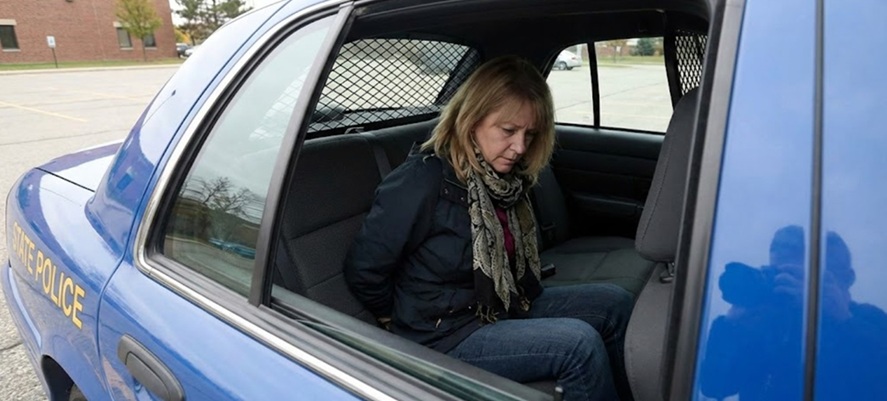
Michigan law permits police officers to secretly record conversations. One of the oldest tricks in the book for police is to leave two or more suspects “alone” in a police car or interrogation room and then record the inevitable incriminating conversation between the defendants. Many people talk their way right into prison, even when the cops have little other evidence to use. In most cases, prosecutors rely on the defendant’s own statements as key evidence against them. Frequently, this evidence is the best evidence the prosecutor has.
Your statements in telephone conversations and voicemails can be used against you in court, just like your statements in custody. It does not matter whether you are unaware that you are being recorded or have not given permission. Do not make statements over the phone, in emails, texts, or any other way. Again, ask for a lawyer immediately if police officers arrest you or ask you questions. If you receive a telephone call from a police officer or a visit to your home, your next move should be to meet with a highly experienced, highly rated Michigan Criminal Defense Attorney. If you are in custody and call someone from a jail phone or detention area, the call is recorded and checked later for evidence.
Isn’t the detective just trying to find out the truth? No!
The best detectives are expert talkers who seem friendly and helpful but are actually con artists. They get things out of a suspect before that person even knows what’s happened. In many cases, the tone, inflection, or other manner of talking is used against a person, even when the substance of their statements does not have evidentiary value. The police can claim a suspect was nervous, defensive, or hostile. Even when the suspect acted normally, there is no way to contradict the officer’s alleged “observations.” By the way, there is no such thing as an “off-the-record” conversation with the police. If you’re free to go at any time, they don’t even have to advise you of your Miranda Rights. Police officers do not have to read Miranda Rights after making an arrest, despite popular understanding and belief. No matter how likable or sympathetic an officer may seem, his job is to get as much evidence against a suspect as possible. Police do not attempt to find the truth after a suspect; at that point, their sole focus is on gathering evidence of guilt.
In many cases, the prosecutor wouldn’t have filed charges against a suspect if not for what they said or did while talking with the police.

Is it okay to talk to other inmates? No! Other inmates are waiting to be informants.
Inmates sell other inmates’ statements to the cops for leniency in their cases. Inmates often trade false confessions to law enforcement in exchange for more lenient treatment. Someone’s statements to another inmate are admissible in court against them. If someone is in custody, they should not talk to anyone. Talking to anyone else in jail gives the other person an opportunity to lie and get more favorable treatment. Just in case someone thinks their bunkmate seems trustworthy, even honorable people, when desperate, are susceptible to police suggestions that a bit of information on another suspect can be helpful to their case.
Is it ever okay to talk to the police without a lawyer?
The final rule is not to talk to the police or anyone else except your lawyer regarding alleged criminal activity. The Miranda Warnings include notice of how law enforcement will use any statement made by a suspect. The warning is not “anything you say ‘might’ be used against you in a court of law.” The accurate version of the statement read by police to suspects is “anything you say ‘can and will’ be used against you in a court of law.” Regardless of what is said or how it is said, the police will use a suspect’s statement against them and twist it so that it is or sounds inculpatory. Do not talk to the police under any circumstances. The police are not talking with a suspect to find the truth or get “justice.” Police talk to suspects to build a case. Officers frequently use techniques such as being friendly or claiming to be “just trying to get both sides of the story.” Do not fall for these manipulations and seek counsel right away.

A Top Criminal Defense Lawyer Can Protect You
If you face federal or state felony or misdemeanor accusations, you need an experienced, successful, and respected criminal defense attorney to assist you. A skilled lawyer can make the difference between a conviction and a dismissal. Do not take matters into your own hands or try to talk your way out of charges. Many innocent people talk themselves into charges and a wrongful conviction. Do not get hoodwinked into thinking the police are on your side. The Defense Team with LEWIS & DICKSTEIN, P.L.L.C. has decades of experience successfully representing clients charged with criminal offenses.
Call us today at (248) 263-6800 for a free consultation or complete an online Request for Assistance Form. We will contact you promptly and find a way to help you.
We will find a way to help you.
We Are Not Afraid to Win!