
What Happens to Your Social Media Accounts When You’re Arrested
Inside This Article
- Can police access your private social media after an arrest?
- How can a criminal defense lawyer help with social media evidence after an arrest?
- What should you avoid posting online after you’re arrested?
If you think your social media is a secret, even when set to private, you have a big surprise coming. Modern law enforcement investigations include scouring the internet for evidence, that includes social media accounts when you’re arrested
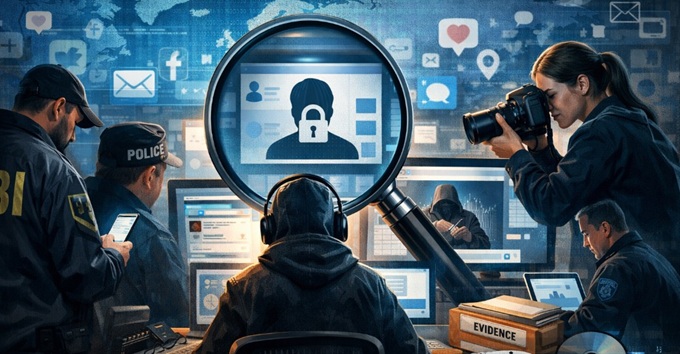
Can the police use my social media as evidence?
Law enforcement can and will use your social media accounts against you when you’re arrested. When the police investigate or arrest you, law enforcement immediately starts looking for evidence. Today, that evidence almost always includes social media, text messages, cloud accounts, and personal devices. Many people underestimate how quickly investigators turn to digital footprints. That mistake can damage a defense before a case even begins.
The information below explains what really happens to your social media accounts after an arrest. It also explains what the government can access, what it cannot access, and where people unknowingly expose themselves to severe legal risk.
Why Law Enforcement Cares About Your Social Media
Police do not view social media as casual or harmless. They treat it like a digital diary and a treasure trove of evidence. Investigators use your online presence to determine motive, intent, planning, admissions, and associations. They look for timestamps, deleted posts, and private messages. They also look for photos that contradict statements or place someone at a scene. Online information contained in social media accounts, even deleted information, can lead to your arrest and prosecution. Social media often becomes evidence even when the alleged crime has nothing to do with the internet.
Law enforcement commonly searches for:
- Posts showing state of mind
- Messages between alleged co-conspirators
- Photos or videos tied to a location or time
- Threats, jokes, or sarcasm taken literally
- Deleted content recovered through warrants
Once an arrest occurs, the focus shifts from suspicion to proof. Social media accounts become low-hanging fruit.
Can Police Access Your Social Media Accounts After an Arrest
Police cannot simply log into your accounts because you were arrested. The Constitution and the Fourth Amendment still apply. That said, the law provides investigators with several paths to access your digital life, including your social media, before deciding if they have sufficient information for an arrest and prosecution. Public content requires no warrant. If your profile, posts, comments, or videos remain public, police can view, save, and use them immediately. Private content often requires legal process. Investigators may use subpoenas, search warrants, or court orders directed to social media companies. The scope depends on the alleged crime and the jurisdiction.
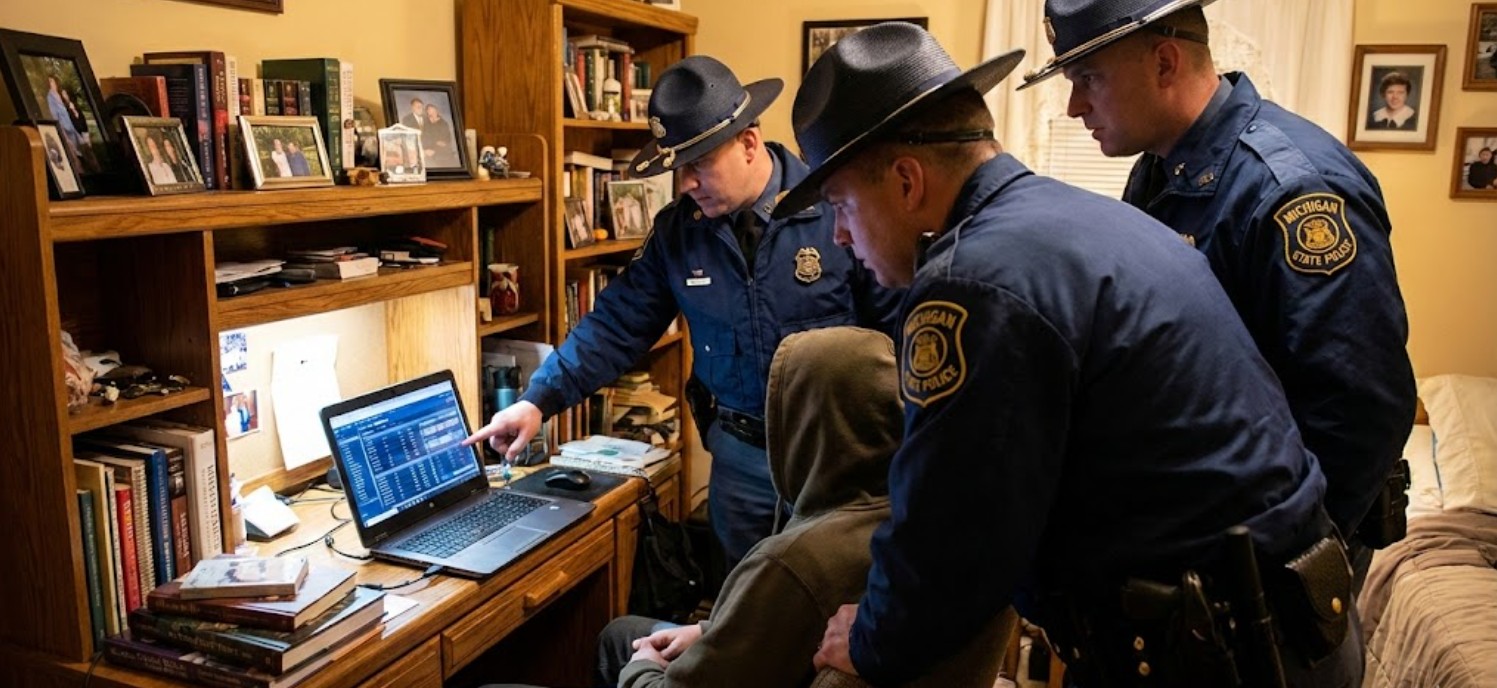
What Happens to Cell Phones, Other Devices, and Social Media After You’re Arrested?
Your own actions matter more than most people realize. If you unlock your phone, consent to a search, or provide passwords, police may gain access without a search warrant. An arrest does not eliminate your rights. Poor decisions after arrest often do.
If police seize your phone, computer, or tablet, the process becomes more aggressive. Officers typically secure devices immediately to prevent remote deletion. They may place phones in airplane mode or specialized bags. They then seek authority to search the contents. Social media accounts on your cell phone can provide vital evidence that prosecutors and law enforcement agents will consider, often before you are arrested.
Modern digital forensic tools allow law enforcement to extract:
- Messages and call logs
- App data
- Photos and videos
- Location history
- Deleted files
- Cloud backups
Many people believe deleting content protects them. In reality, deletion often raises suspicion and still fails to eliminate recoverable data. In some cases, deleting posts or damaging digital devices can constitute obstruction of justice.
Social Media Crimes and Social Media Evidence
Some cases revolve around social media itself. Others use it as supporting evidence during a prosecution or to support an arrest. Even a joking post can become an exhibit. Context often disappears once prosecutors isolate a screenshot or an incriminating message. Social media accounts when you’re arrested can provide information to a prosecutor that wouldn’t otherwise be available. Common charges tied directly or indirectly to social media include:
How Social Media Can Affect Bond at Arraignment
Prosecutors often rely on social media at arraignment to argue for a high bond or continued detention. They present posts, comments, photos, and videos to claim someone poses a danger to the community or a risk of flight. Aggressive language, threats, inflammatory jokes, images involving drugs or weapons, and posts referencing mental health struggles or suicidal thoughts frequently appear in these arguments. Prosecutors strip away context and timing. They frame isolated content as proof of instability, recklessness, or violent intent. Judges often see this material before hearing anything about the defense.
A skilled defense lawyer can turn the same digital record into evidence of stability and community ties. Thoughtful posts, family relationships, employment history, school involvement, volunteer work, and positive interactions all matter at bond. Even silence online can help when handled correctly. Strategic presentation makes the difference between a reasonable or personal bond and unnecessary jail time. The arraignment stage comes early, moves fast, and carries lasting consequences. Social media already shapes the arraignment hearing before most defendants realize the case has begun.


























What Do I Do After I’m Arrested?
What you do after an arrest may matter more than what you posted on social media before. People panic after an arrest. Panic leads to bad decisions. Some people delete posts. Others message friends or family about the allegations. Some try to explain themselves online, vent, joke, or argue publicly.
Every one of those actions can create new evidence. Law enforcement does not stop watching because the arrest already happened. In many cases, monitoring intensifies.
After an arrest, avoid:
- Posting anything related to the case on social media
- Messaging about the allegations
- Contacting alleged victims or witnesses
- Trying to “clear things up” online
- Deleting or altering accounts without legal advice
If you are under investigation, silence protects you. You are protected when your lawyers speak for you. If you delete information, law enforcement may be able to recover it. Deleted evidence, even when investigators are unable to recover it, is evidence of a guilty mind. The same goes for altering or modifying messages or posts. If you post information online that directly or indirectly incriminates you, you can count on the government using that evidence against you in a trial.
How Warrants and Subpoenas for Social Media Accounts Actually Work
Social media companies respond differently to legal requests. Some comply quickly. Others resist or limit disclosures. A subpoena may produce basic subscriber information. A search warrant may authorize access to messages, photos, account content, and even deleted posts and messages. Some platforms retain deleted data longer than users expect. Once law enforcement sends preservation requests, platforms may freeze data even if the user deletes the account later.
Early legal intervention by a lawyer, before charges are filed or during the early stages of a prosecution, can shape the scope of what investigators obtain. Consulting with a lawyer regarding your online presence and social media can make all the difference before you’re arrested.
The Role of Your Criminal Defense Lawyer
Digital evidence cases demand a defense lawyer who understands how social media platforms, cloud storage, and forensic extraction tools actually work. Prosecutors rely on technical reports, screenshots, metadata, and device dumps, which can appear overwhelming and conclusive to judges and juries. A lawyer without experience in digital forensics and internet crimes often accepts those materials at face value. A skilled defense lawyer knows how data gets collected, where errors occur, how context disappears, and how investigators overreach. That knowledge enables the defense to challenge warrants, expose flawed analysis, dispute authorship, and explain digital behavior in a manner that makes sense to the court. In modern criminal cases, technical ignorance is not neutral; it is dangerous.
An experienced criminal defense lawyer challenges:
- The scope of warrants
- The basis for probable cause
- Chain of custody issues
- Misinterpretation of digital content
- Context stripped from posts or messages
- Constitutional violations
Defense lawyers also advise clients on what not to do. That guidance often prevents new charges and additional exposure. The sooner experienced criminal defense counsel gets involved, the more leverage exists.

Frequently Asked Questions Regarding Social Media Accounts After You’re Arrested
Should I delete my social media accounts after I am arrested?
Do not delete social media accounts or posts without legal advice. Deleting accounts can appear to be or may constitute evidence tampering. In some cases, preservation of social media or the context surrounding a concerning post may help your defense.
Can police read my private messages?
Police officers and law enforcement agents may access private messages with proper legal authority or your consent. Public messages require no permission and are admissible as evidence in court.
What if the crime has nothing to do with social media?
Police still use social media to build narratives about intent, relationships, and behavior. The relevance of online evidence often expands during prosecution.
Can old posts be used against me?
Yes, prosecutors and police officers can use old posts against you. Age rarely protects content. Prosecutors often use older posts to argue state of mind or pattern of conduct. Social media accounts, including old posts, can be used against you when you’re arrested and can be vital to the prosecution’s case.
What if someone else posted from my account?
A third party’s use of your social media becomes a factual issue. You need immediate legal help to establish someone else’s access and use of your account.
Do social media companies notify users about police requests?
Social media companies rarely notify users about police requests for information and subpoenas. Notification depends on the request type and the platform’s policies. Some court orders prohibit social media companies from telling their customers when they are under investigation.

Why You Need Serious Legal Counsel Immediately
Digital evidence does not disappear. Once law enforcement begins collecting incriminating social media and device data, the case becomes significantly more challenging to defend. Poor decisions regarding the deletion or posting of new information online often become evidence of guilt. DICKSTEIN & AMBERG, P.L.L.C. defends people accused of serious crimes where digital evidence plays a central role. Our attorneys understand how prosecutors use social media, devices, and online behavior to build cases. We know how to challenge digital and social media evidence aggressively and intelligently.
If the government may search your social media or has already done so, do not wait. The earlier you act, the stronger your defense becomes. Our team is not afraid to win! Not being afraid to win means we will do whatever it takes to protect and defend you against charges involving social media evidence.
Call us today at (248) 263-6800 for a free consultation or complete an online Request for Assistance Form. We will contact you promptly and find a way to help you.
We will find a way to help you.
We Are Not Afraid to Win!

Key Takeaways
- Law enforcement can access your social media accounts as evidence after an arrest, especially public content; private content may require warrants.
- Investigators treat social media as a vital tool to uncover motive, intent, and connections, even using deleted content against you.
- Avoid posting online or deleting content after an arrest, as those actions may create new evidence or raise suspicion.
- Consult a skilled criminal defense lawyer to navigate the complexities of social media evidence; poor decisions can impact your case significantly.
- Digital evidence doesn’t disappear, and timely legal intervention can strengthen your defense against charges involving social media.