Do you want a clear roadmap through one of the most stressful moments of your life? Here is what you need to know about what to expect with the criminal process.
Inside This Article
- What are the steps involved in booking and jail intake after an arrest?
- How is bond or bail decided after an arrest and what options are available?
- What occurs during the pretrial phase and early hearings after an arrest?

Understanding What Happens After an Arrest in Michigan
An arrest changes everything in seconds. Most people have no idea what happens after an arrest, especially under Michigan law. Police do not explain the process. Courts move fast. Early missteps can significantly impact the outcome of a case long before it reaches a courtroom.
This guide explains the steps that occur after an arrest in Michigan. It reflects how the criminal process actually works, not how television portrays it or how people assume it works. If you face criminal charges, understanding these steps gives you control at a time when everything feels uncertain.
What Happens After an Arrest and What are the Immediate Police Actions?
Police can arrest someone with or without an arrest warrant. Warrants usually follow an investigation. Warrantless arrests often occur during traffic stops, domestic calls, or alleged crimes witnessed by officers.
After arrest, police transport the individual to a police station or county jail. Officers search the person and secure personal property. They place the individual in a holding cell. Police may attempt to question a person, but they must advise them of their Miranda rights before conducting a custodial interrogation.
You do not have to answer questions. You do not have to explain yourself. Silence protects you. Statements rarely help and often hurt. Many people searching for what happens after an arrest focus on this moment. They feel pressure to cooperate. Cooperation does not mean talking. It means protecting your rights. The bottom line is you never talk to the police without a lawyer. Talking can only harm you; it never helps.
Booking, Fingerprinting, and Jail Intake
Booking formalizes the arrest. Jail staff enter identifying information into the system. Jail staff take fingerprints and photographs. They log the charge. Medical staff may conduct a brief health screening. This stage feels routine, but it matters. Officers sometimes list charges that exaggerate what the evidence supports. Those charges can stick if no one challenges them early.
People often ask what happens after arrest and booking in Michigan. The answer depends on the bond. Some people leave jail quickly. Others remain locked up during the court process.

What Bond, Bail, and Release Conditions are Available After an Arrest
Michigan uses bond, not bail schedules. A judge or magistrate decides whether to release the accused and, if so, under what conditions. Bond decisions aim to ensure court appearance and public safety.
Bond options include:
- Personal recognizance release with no money
- Cash or surety bond
- Conditions such as drug testing, travel limits, or no contact orders
Judges consider criminal history, prior court compliance, community ties, and the nature of the alleged offense. Serious charges and prior records increase the risk of a high bond or denial of release.
Bond decisions shape everything that follows. People who remain in jail struggle to fight their cases. They lose leverage. Securing a reasonable bond remains one of the most critical steps after arrest.
Arraignment and the Start of the Court Case After an Arrest
Arraignment usually occurs within 24 to 48 hours of arrest, excluding weekends and holidays. This hearing marks the first formal court appearance.
At arraignment, the judge:
- States the charges
- Advises the defendant of constitutional rights
- Sets or reviews bond
- Schedules future court dates
In Michigan, prosecutors often authorize charges after arrest, not before. That reality surprises many people researching what happens after arrest before charges are filed. Prosecutors rely heavily on police reports at this stage. Strong legal advocacy can influence charging decisions. Weak cases sometimes narrow or disappear before they gain momentum with the right lawyer fighting the case!
The Pretrial Phase and Early Hearings That Happen After an Arrest
After the arraignment, the case enters the pretrial phase. The structure depends on whether the charge qualifies as a misdemeanor or a felony.
Misdemeanor cases usually proceed directly toward resolution in district court.
Felony cases involve additional hearings. These often include a probable cause conference and a preliminary examination. At the preliminary exam, the prosecutor must show probable cause that a crime occurred and that the defendant committed it. This hearing allows the defense to cross-examine witnesses and challenge evidence.
Many people underestimate this stage when asking what happens after an arrest in Michigan. Skilled advocacy here can reduce charges, expose police errors, or even result in the case being dismissed.
Discovery and Evidence Review
Discovery refers to the exchange of evidence. Prosecutors must provide police reports, witness statements, body camera footage, forensic results, and other materials.
Defense attorneys analyze this evidence closely. They look for constitutional violations, unreliable witnesses, illegal searches, and factual inconsistencies. They file motions to suppress evidence or dismiss charges when the law allows.
This phase drives outcomes. A strong motion can remove the prosecution’s best evidence. A missed issue can permanently damage the defense.
People searching for what happens after an arrest rarely realize how much of the case unfolds at this stage, outside public view.
What Plea Negotiations and Resolution Options Happen After an Arrest
Most criminal cases resolve without trial. Resolution can include dismissals, charge reductions, plea agreements, or deferred outcomes.
Michigan law allows various resolution options, depending on the charge and the individual’s criminal history. These may include:
- Reduced charges
- Sentencing agreements
- Diversion programs
- Deferred sentences under statutes such as HYTA or 7411
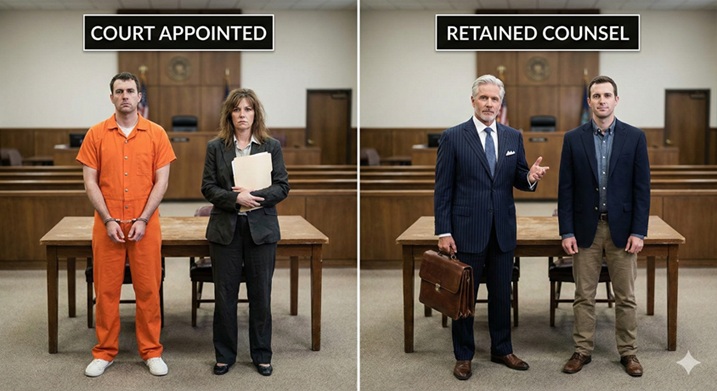
Plea negotiations require judgment. Prosecutors push early deals. Judges value efficiency. Defendants feel pressure to accept quick resolutions. Weak lawyers and court-appointed attorneys are notorious for pushing quick and less favorable plea agreements. A plea should never happen without a full understanding of long-term consequences. Criminal convictions may affect employment, professional licensing, immigration status, and firearm rights. Jail time often matters less than the permanent record.

Trial Rights and the Trial Process After an Arrest
If negotiations fail or the case demands it, the defendant has the right to a trial. That right remains fundamental under Michigan law. Trials can involve a jury or a judge. The prosecution must prove guilt beyond a reasonable doubt. Trials include jury selection, witness testimony, cross-examination, and closing arguments. They require preparation, strategy, and confidence. Not every case is suitable for a trial. Knowing when to try a case separates an effective defense from a reactive defense.
Sentencing and Life After Conviction
If a conviction occurs, the court schedules sentencing. Judges consider sentencing guidelines, victim statements, and mitigation arguments when determining a sentence.
Sentencing outcomes may include:
- Jail or prison
- Probation
- Fines and court costs
- Counseling or treatment programs
Michigan sentencing varies widely. Advocacy matters. Preparation matters. Judges respond to organized, credible arguments that address risk and rehabilitation.

Frequently Asked Questions About What Happens After an Arrest in Michigan
What happens after an arrest if prosecutors never file charges?
Police can release someone if charges are not filed. Prosecutors sometimes decline to pursue cases after reviewing the evidence. An arrest alone does not guarantee prosecution. A respected and influential pre-charge criminal defense attorney can help you face criminal allegations if the police haven’t arrested you or you’ve been released without charges.
How long after arrest does arraignment occur in Michigan?
Arraignment usually happens within 24 to 48 hours, excluding weekends and holidays.
Can charges change after an arrest?
Yes. Prosecutors can increase, reduce, or dismiss charges after arrest. Early legal involvement by a qualified lawyer can influence that outcome.
Should I hire a lawyer immediately after arrest?
Yes, you should hire an attorney as soon as possible. The highest-risk decisions happen early. Statements, bonds, and charging decisions occur before most people realize what is happening.
Does an arrest stay on my record if the case is dismissed?
An arrest can appear on background checks even if no conviction results. Michigan law allows expungement in many situations.
Why the Right Legal Strategy Matters From Day One
What happens after an arrest in Michigan follows a predictable structure; however, the results vary dramatically. The difference comes down to timing, preparation, and advocacy. Every stage carries risk. Every stage also offers an opportunity. Early legal intervention preserves options that may disappear quickly. Hiring an inexperienced or bargain lawyer might prove to be one of the most costly expenditures in your life because the cost of a poor outcome could negatively impact your employability, reputation, family, and more.

How a Top Attorney Can Guide You Through the Process to a Successful Conclusion
LEWIS & DICKSTEIN, P.L.L.C. understands the Michigan criminal process at every level. Our attorneys act early, attack weak cases, and protect clients from unnecessary damage. We focus on strategy, not shortcuts. If you are facing criminal allegations, contact us for a free consultation. We will take the time to speak with you, answer your questions, and address your concerns. If there is a way for us to help you, we will find it!
An arrest does not define a future. The response does!
Call us today at (248) 263-6800 for a free consultation or complete an online Request for Assistance Form. We will contact you promptly and find a way to help you.
We will find a way to help you.
We Are Not Afraid to Win!


Key Takeaways
- Understanding what happens after an arrest is crucial, as early missteps can greatly affect your case outcome.
- After an arrest, individuals go through booking, fingerprinting, and jail intake, which formalizes the arrest process.
- Bond decisions play a significant role; they can determine whether a person stays in jail or is released during the court process.
- Arraignment occurs within 24 to 48 hours and starts the formal court process, where charges are stated and rights are explained.
- A strong legal strategy is vital from day one, as early intervention can preserve options and lead to better outcomes.
Table of contents
- Do you want a clear roadmap through one of the most stressful moments of your life? Here is what you need to know about what to expect with the criminal process.
- Inside This Article
- Understanding What Happens After an Arrest in Michigan
- What Happens After an Arrest and What are the Immediate Police Actions?
- Booking, Fingerprinting, and Jail Intake
- What Bond, Bail, and Release Conditions are Available After an Arrest
- Arraignment and the Start of the Court Case After an Arrest
- The Pretrial Phase and Early Hearings That Happen After an Arrest
- Discovery and Evidence Review
- What Plea Negotiations and Resolution Options Happen After an Arrest
- Trial Rights and the Trial Process After an Arrest
- Sentencing and Life After Conviction
- Frequently Asked Questions About What Happens After an Arrest in Michigan
- Why the Right Legal Strategy Matters From Day One
- How a Top Attorney Can Guide You Through the Process to a Successful Conclusion
- Related Links