
Can police use text messages as evidence in a criminal case?
In state and federal prosecutions, the government relies heavily on evidence obtained from cell phone and social media sources, including text messages.

Private Messages as Evidence in Michigan Criminal Cases
People text every day without thinking about how those messages might look on a courtroom screen. Prosecutors, judges, and juries often treat text messages as evidence that shows intent, planning, or state of mind. In Michigan criminal cases, text messages can help or devastate a defense.
You should understand how police, prosecutors, and courts treat text messages as evidence and how a skilled defense lawyer can protect you if you face a pre-charge investigation or a criminal charge in Michigan.
Can Police Use Text Messages as Evidence in a Criminal Case?
Yes. Police and prosecutors regularly use text messages as evidence in Michigan criminal cases. They rely on messages to try to prove threats, harassment, domestic violence, drug dealing, sex offenses, and many other allegations. Texts that appear casual or innocent to you can look very different when someone reads them without any context.
Text messages also help the defense. Screenshots, downloads, and carrier records can show consent, self-defense, timelines, and other facts that support your side. The right legal team can use those messages to raise doubt and strengthen your defense.
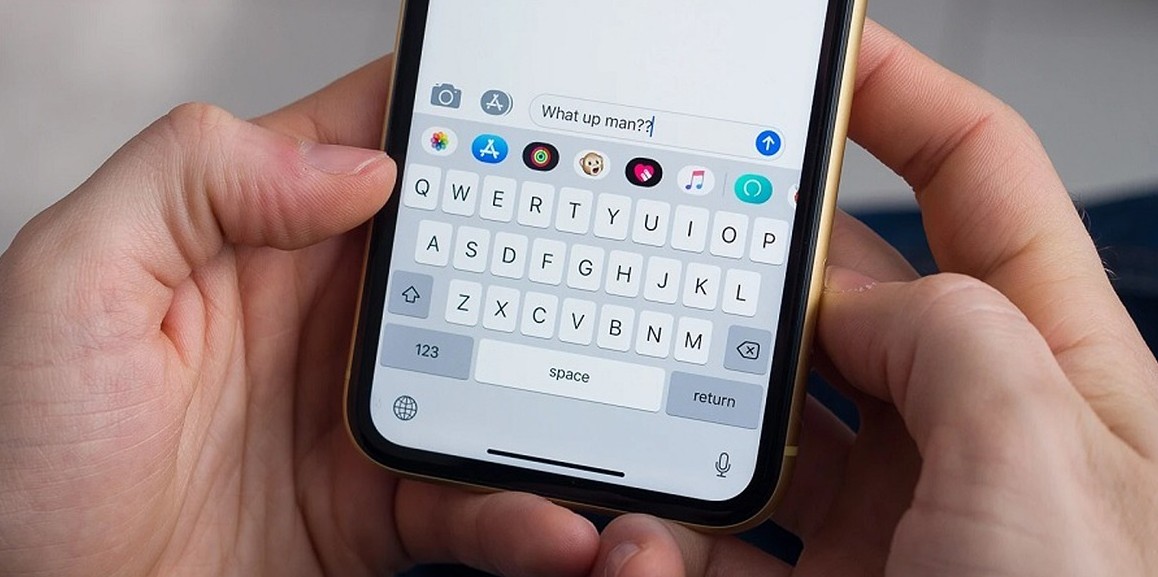
How Police Get Text Messages as Evidence
Police gather text messages in several ways. They may seize and search a phone. They may apply for a search warrant directed at a wireless carrier or a cloud backup service. They may pressure witnesses or friends to hand over screenshots. They may also use forensic software that pulls stored or recently deleted messages.
Many people assume that phone companies keep text messages forever. That assumption is usually wrong. Most carriers keep text content for a short period or not at all. They often retain metadata, such as phone numbers, dates, and times, for longer periods because they need that data for billing and law enforcement requests.
Due to these limitations, timing and strategy are crucial. A defense lawyer who understands digital evidence can move quickly to preserve helpful information and challenge harmful material.
Do Police Need a Warrant to Read Text Messages?
In most situations, police must obtain a search warrant before searching a seized phone for data, including text messages. The United States Supreme Court ruled that officers generally may not search the digital contents of a cell phone after an arrest unless they first obtain a search warrant from a judge.
Important exceptions still exist. Police may access text messages when you consent to the search. They may rely on probation, parole, or bond conditions that allow broader searches. They may act without a warrant if there is an immediate risk of harm. They may also review messages if a third party voluntarily provides screenshots or records.
Even when police have a search warrant, they sometimes request broad access that exceeds the law’s limits. A skilled Michigan criminal defense attorney can review the warrant, identify overreach, and seek suppression of illegally obtained text messages as evidence.

How Courts Decide Whether to Admit Text Messages as Evidence
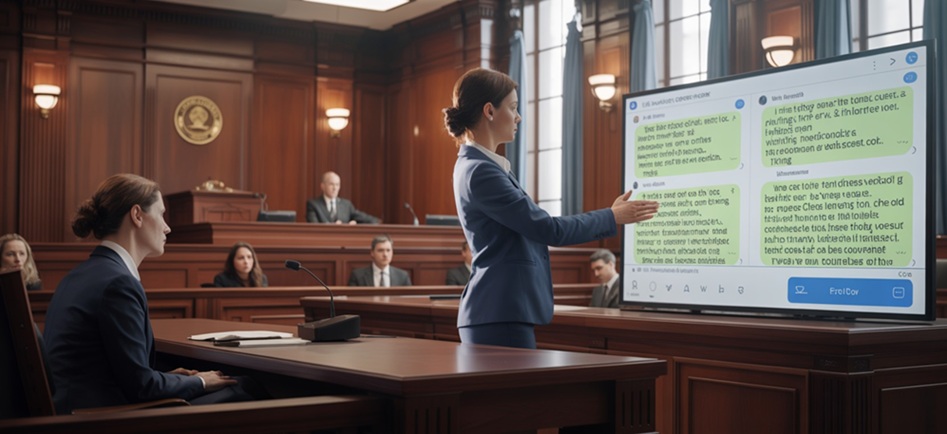
Courts do not admit every text message that appears on a printout or a phone. The prosecution must satisfy basic evidentiary rules before a judge will admit text messages into evidence at trial.
Relevance – The message must relate to a fact that is relevant to the case. Irrelevant or unrelated messages may not come into evidence.
Authentication – The party offering the text must demonstrate that the message is what it claims to be and that the correct person sent or received it. Lawyers authenticate messages through testimony, contact information, writing style, unique references, or other supporting details that connect the text to the sender.
Hearsay and other rules – Courts still apply hearsay rules and protections against unfair prejudice. Judges may exclude text messages when the danger of misinterpretation outweighs any value to the case.
Why Text Messages Often Get Taken Out of Context
People misread tone all the time. Sarcasm, jokes, private references, and inside comments create confusion for anyone outside the relationship. Police and prosecutors often lack the necessary background to understand the meaning behind short, clipped messages.
When investigators pull a few lines from a long thread, those lines can look far more serious than they are. A strong defense lawyer fights these distortions by demanding complete conversations, placing messages in context, and showing how the meaning changes when the entire exchange becomes visible.

How Long Phone Companies’ Records
Many clients ask whether a phone company can retrieve old text messages. In most cases, the answer is no. Carriers rarely store message content for long periods. Some keep content for a few days. Many do not store content beyond the moment of transmission. Carriers typically retain metadata, such as dates, times, and phone numbers, for extended periods of time.
These policies vary by provider and are subject to change over time. No one should assume that a carrier can always retrieve deleted text content. When text messages matter in your defense, your lawyer can evaluate realistic options, such as forensic analysis of devices, subpoenas for metadata, or the use of saved screenshots.
What You Should Do If Digital Evidence May Come Up in Your Case
If you believe that text messages may become evidence in a criminal case, you should act carefully.
Do not delete messages – Courts may view deletion as a sign of guilt. Deleting messages can also harm your defense by removing helpful context.
Stop texting about the case – Do not discuss the allegations by text with friends, family, or anyone involved. These text messages often show up in police reports.
Do not hand your phone to the police – You have the right to refuse consent. Exercise that right until you speak with your lawyer.
Share helpful messages only with your attorney – Provide complete threads, screenshots, and other information privately to your lawyer.
Talk with an experienced Michigan criminal defense attorney – Criminal cases involving text messages as evidence require a lawyer who understands digital forensics, search and seizure law, and the rules of evidence. Local experience matters because judges vary in how they treat text message evidence.
Frequently Asked Questions
Can prosecutors and defense attorneys use text messages as evidence in Michigan criminal cases?
Yes. Prosecutors and defense lawyers use text messages as evidence in cases involving assault, domestic violence, drug charges, drunk driving, internet crimes, harassment, and many other offenses.
Can deleted text messages be recovered?
Sometimes. Recovery depends on the device, the timing of deletion, whether the information remains stored, and whether the provider or cloud backup retains that type of data.
Do police always need a warrant to review my text messages?
Often they do, especially when they want to search the contents of your phone. Police may still access text messages if you have given consent, if someone else shares them, or if your probation or bond conditions permit searches.
What if the messages did not come from my phone?
Prosecutors often use screenshots from someone else’s device. Your lawyer can challenge authorship, context, authenticity, and interpretation.

Text Messages as Evidence: How DICKSTEIN & AMBERG, P.L.L.C. Can Help
When prosecutors plan to use text messages as evidence, you need a defense team that understands digital evidence and treats it with the seriousness it deserves. The attorneys with DICKSTEIN & AMBERG, P.L.L.C. handle felony and misdemeanor cases across Oakland, Wayne, Macomb, Washtenaw, Livingston, and surrounding counties. We stay current on search and seizure law, evidentiary rules, and digital-forensic techniques.
We know how to challenge search warrants, expose faulty assumptions, highlight missing context, and use text messages to strengthen your defense when possible. If you face charges or are under investigation involving text messages as evidence, please contact us for a free consultation. We will take the time to understand your situation and work relentlessly to find a way to help you.
Call us today at (248) 263-6800 for a free consultation or complete an online Request for Assistance Form. We will contact you promptly and find a way to help you.
We will find a way to help you.
We Are Not Afraid to Win!